
What to Do After a Minor Kitchen Accident
This post may contain affiliate links. For more information, please see our disclosure policy.
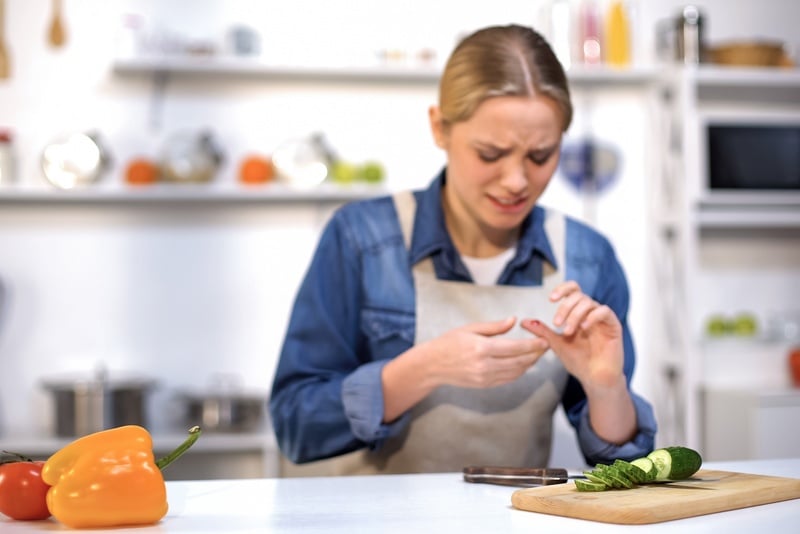
A tiny kitchen accident has a rude way of interrupting a good recipe. One second you’re chopping herbs or pulling a hot pan from the oven, and the next second you’re staring at your finger as it betrays you. A calm plan for what to do after a minor kitchen accident helps you handle the moment without turning dinner into a whole production. Most small nicks or burns need quick attention and a little patience before you return to the sauce.
Clean Up Before You Keep Cooking
Step away from the food first so you do not rush the cleanup. Wash your hands, then rinse a small cut under clean running water to remove crumbs or kitchen debris. Clean minor cuts with water and watch for signs of infection, such as increasing pain, swelling, or spreading color changes. Once the area around the wound looks clean and dry, grab a clean bandage before you touch the ingredients again.
Stop the Bleeding
Small cuts usually look scarier than they are because fingers bleed enough to make anyone pause. Press a clean cloth or bandage over the cut and maintain steady pressure, rather than checking every few seconds. Keep the injured area raised if that feels comfortable, especially when the cut sits on a finger or hand. Applying firm pressure often stops visible bleeding from cuts and scrapes, which gives you a practical first step before deciding what comes next.
Cool a Small Burn the Right Way
Hot pans, splattering oil, and steam all deserve respect because they move faster than your reflexes. For a small kitchen burn, quickly move away from the heat source and cool the area with clean running water. Do not smear butter on it, no matter what someone’s uncle once said at a cookout. After the sting eases, cover the area lightly if clothing or kitchen work might rub against it.
Watch the Spot Over the Next Few Days
Healing does not need constant inspection, but it does deserve a quick daily glance. A helpful guide on how to tell if a wound is healing properly at home can make the next few days feel less confusing when you compare normal changes with warning signs. Wound care should include infection monitoring, especially when a wound looks dirty or poses a higher risk of tetanus. If redness spreads, pain increases, or a fever develops, call a health professional immediately.
Return to the Meal With a Better Pace
A small accident does not have to ruin the whole evening. Once you clean, cover, and check the injury, slow the cooking pace and simplify the plan if needed. Turn the fancy side dish into tomorrow’s lunch idea and finish the meal with less pressure. When you think through what to do after a minor kitchen accident, you protect your health and keep the kitchen feeling like a place you enjoy.






This is a really helpful and practical guide. The advice about staying calm and taking the right steps after a minor accident is especially useful. Thanks for sharing these simple safety tips!