Why Steak Lovers Often Choose Dry-Aged Beef
This post may contain affiliate links. For more information, please see our disclosure policy.
Steak enthusiasts often look for more than tenderness when choosing a cut. They want rich flavor, satisfying texture, and a dining experience that feels distinctive from the first bite. Dry-aged beef meets those expectations because the aging process changes the meat’s character in ways fresh steaks can’t match.
For many steak lovers, that deeper flavor is the main draw. The process requires time, controlled conditions, and careful handling, giving dry-aged beef a reputation for craftsmanship. When diners want a steak with more complexity than an everyday cut, dry-aged beef often stands out. Continue reading to explore why steak lovers often choose dry-aged beef.
A Deeper Flavor Profile
Dry aging concentrates flavor as moisture gradually leaves the meat. That loss of moisture gives the beef a bolder, more pronounced taste. Instead of tasting mild or straightforward, dry-aged beef can develop savory notes that make each bite feel more complex.
Steak lovers often describe the flavor as richer than that of standard fresh beef. Some cuts develop nutty or roasted qualities as they age. The exact character depends on the cut and how long the beef ages.
That flavor development explains why many diners seek out dry-aged steaks for special meals. They want something memorable, and the aging process gives the meat a personality that fresh cuts often lack.
A Distinct Texture
Flavor gets much of the attention, but texture also plays a major role in dry-aged beef’s appeal. During aging, natural enzymes break down muscle fibers and make the meat more tender.
That process creates a softer bite without turning the steak mushy. A properly aged steak still keeps a satisfying structure while offering more tenderness than many fresh cuts.
Dry-aged beef differs from traditional steaks because the aging process alters both flavor and texture before the meat ever reaches the pan or grill. That combination gives steak lovers an experience that feels noticeably different from a standard steak dinner.
The Appeal of Patience
Dry aging takes time, and that waiting period adds to the product’s appeal. Producers can’t rush the process without changing the final result.
The beef rests in carefully controlled conditions while moisture leaves the meat and flavor develops. During that time, the exterior forms a dry layer that butchers trim away before portioning the steaks.
That extra labor adds another layer of craftsmanship. Steak lovers who appreciate traditional food preparation often value the patience behind dry-aged beef. They know someone devoted time and attention to the meat before it reached the table.
Less Water, More Concentration
Fresh beef contains more moisture than dry-aged beef. As dry-aged cuts lose water, the remaining flavor becomes more concentrated.
That change can make a dry-aged steak taste stronger even when the cook uses simple seasoning. Salt and pepper may provide enough support because the beef already offers plenty of character.
The lower moisture content also affects cooking. Dry-aged steaks can brown quickly because the surface contains less water. A strong sear can create a flavorful crust while the center stays tender.
Cooks should still watch heat carefully. Dry-aged beef costs more than many standard cuts, so careful preparation helps protect the quality that developed during aging.
A More Intense Steak Experience
Some people want a steak that tastes clean and mild. Others want something bolder. Dry-aged beef often appeals to diners in the second group.
The flavor can feel more intense because aging brings out characteristics that fresh beef doesn’t always show. That complexity makes the steak interesting from beginning to end.
A dry-aged steak may also encourage slower eating. Diners often notice subtle changes in flavor as they work through the cut. That kind of meal feels less routine and more like an experience.
For steak lovers who enjoy comparing cuts and preparation methods, dry-aged beef offers something worth paying attention to.
Quality Cuts Make a Difference
Dry aging can’t turn low-quality beef into an exceptional steak. Producers usually select cuts with enough size and fat to handle the aging process well.
Larger cuts work better because the butcher must trim away the dried exterior after aging. Adequate fat also helps protect the meat and contributes flavor during cooking.
Marbling plays an important role too. Fat inside the muscle melts during cooking and adds richness. When marbling combines with concentrated dry-aged flavor, the steak can deliver a particularly satisfying bite.
That combination explains why premium dry-aged beef often commands higher prices. Consumers pay for the original quality of the cut along with the time and labor involved in aging.
Simpler Seasoning Works Well
Dry-aged beef doesn’t need complicated seasoning to taste impressive. Heavy marinades or aggressive sauces can hide the flavors that make the steak distinctive.
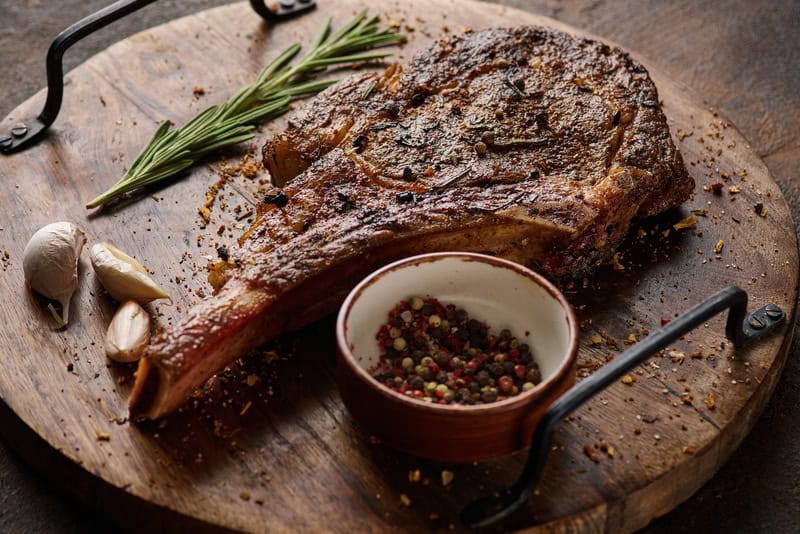
Many steak lovers prefer a simpler approach. Salt can help develop the crust, while pepper can add a little contrast without overwhelming the meat.
Butter may also complement the steak, especially when cooks use it carefully near the end of cooking. A small amount can add richness while still allowing the aged flavor to lead.
Simple preparation gives the beef room to show what makes it different. That approach often appeals to people who want the steak itself to stay at the center of the meal.
Cooking Method Changes the Result
A great cut can still disappoint if the cook mishandles it. Dry-aged beef responds well to high heat at the beginning of cooking because a strong sear builds a flavorful crust.
Grilling and cast-iron cooking both work well. The cook should bring the surface up to temperature quickly, then control the heat so the inside reaches the preferred doneness without overcooking.
Resting the steak after cooking also helps. A short rest lets the juices settle before slicing.
Because dry-aged beef often carries a higher price, many steak lovers take extra care with the cooking process. They want to preserve the texture and flavor that took weeks to develop.
A Cut Worth Savoring
Dry-aged beef often feels more special because it requires more time and attention before it reaches the plate. That background adds value for diners who care about how food gets produced.
The steak can also turn a simple meal into an occasion. Someone might choose dry-aged beef for a birthday dinner, holiday meal, or weekend gathering because it feels different from an ordinary grocery-store steak.
That sense of occasion doesn’t come from price alone. The flavor, texture, and craftsmanship create an experience that steak lovers can recognize as soon as they start eating.
Why Enthusiasts Keep Coming Back
Steak lovers often return to dry-aged beef because it offers more than tenderness. The concentrated flavor gives each cut a distinctive personality, while the aging process creates a texture that feels refined without losing the satisfying bite people expect from steak.
Dry-aged beef also rewards simple preparation. A quality cut doesn’t need much seasoning or complicated cooking when the aging process has already developed so much character.
For people who enjoy exploring different cuts and cooking styles, dry-aged beef offers plenty to appreciate. Its bold flavor and careful preparation make it a favorite among diners who want steak night to feel a little more memorable.