Essential Home Exterior Tasks for the Winter
This post may contain affiliate links. For more information, please see our disclosure policy.
Winter has a funny way of exposing every little home maintenance task you’ve been putting off. That loose gutter, drafty door, or forgotten garden hose might seem harmless in October, but freezing temperatures have a talent for turning minor annoyances into expensive headaches.
Fortunately, preparing your home’s exterior for winter doesn’t require a contractor’s toolbox or an entire weekend of hard labor. A little preventive maintenance can protect your investment, lower your energy bills, and keep your outdoor spaces in good shape until spring. Here’s how to get your home winter-ready without spending a fortune.
Clean Your Gutters Before They Become Ice Factories
Falling leaves look beautiful until they clog your gutters and turn your roofline into an unwanted ice sculpture. When gutters fill with debris, water can’t drain properly, increasing the risk of ice dams and moisture damage during freezing weather.
Grab a sturdy ladder, put on some gloves, and remove accumulated leaves and twigs. Flush the gutters with water to check for blockages, and make sure downspouts direct runoff away from your foundation. If heights aren’t your thing, hiring a professional is far better than testing your balance on a slippery ladder.
Inspect Your Roof for Trouble Spots
Your roof works overtime during winter, so give it some attention before snow starts piling up. Missing shingles, damaged flashing, or deteriorating seals around vents can allow moisture to sneak inside when snow melts.
Walk around your property and inspect the roof from the ground using binoculars. Look for uneven shingles, visible damage, or sagging sections that might indicate structural problems. Once again, leave roof climbing and repairs to professionals, especially when surfaces are wet or icy.
Give Your Garage Door Some Winter TLC
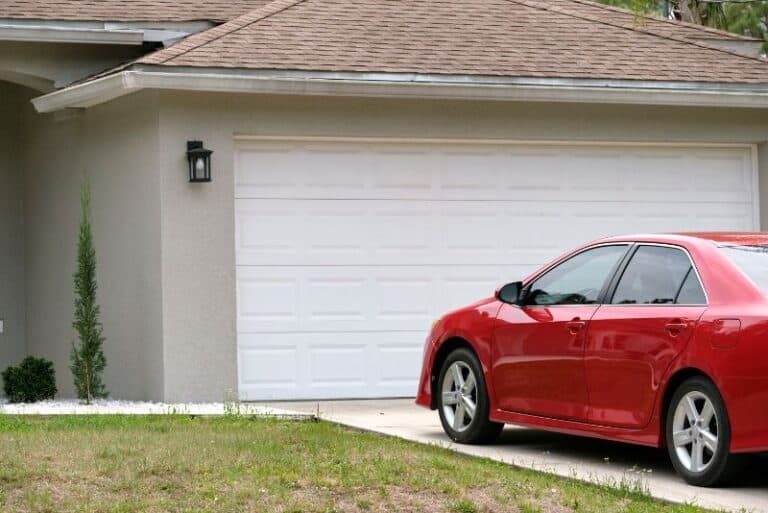
Your garage door probably gets more daily exercise than most of your home appliances, yet it’s easy to forget about maintaining it. Cold temperatures can make existing mechanical problems more noticeable, particularly when moving parts haven’t received proper attention.
Inspect and Lubricate Moving Components
Check your garage door’s rollers, hinges, and tracks for visible wear or accumulated debris. Once cleared, use a manufacturer-recommended garage door lubricant on appropriate moving parts, and avoid applying heavy grease that attracts dirt.
For more helpful advice, these tips to keep your garage door running smoothly year-round show how routine maintenance can help prevent unexpected problems.
Check the Weatherstripping
Inspect the rubber seal along the bottom of your garage door for cracks or gaps. Replacing damaged weatherstripping can reduce cold drafts and help keep snow from blowing inside.
Test the door’s automatic reversal system according to the manufacturer’s instructions, too. If you notice unusual noises, uneven movement, or damaged cables, call a qualified technician. Garage door springs and cables operate under dangerous tension.
Seal Drafts Around Windows and Exterior Doors
Nobody enjoys paying to heat the neighborhood. Unfortunately, small gaps around windows and doors can allow warm indoor air to escape while welcoming freezing drafts inside.
Inspect exterior caulking for cracks, and replace deteriorating material with a product rated for your climate. Add weatherstripping around doors where needed, and install a door sweep if cold air enters underneath. These affordable improvements can make your home more comfortable without requiring a major renovation.
Protect Outdoor Faucets and Plumbing
A frozen outdoor faucet might seem like a minor inconvenience until the connected pipe bursts. Water expands as it freezes, potentially damaging plumbing and creating an expensive mess.
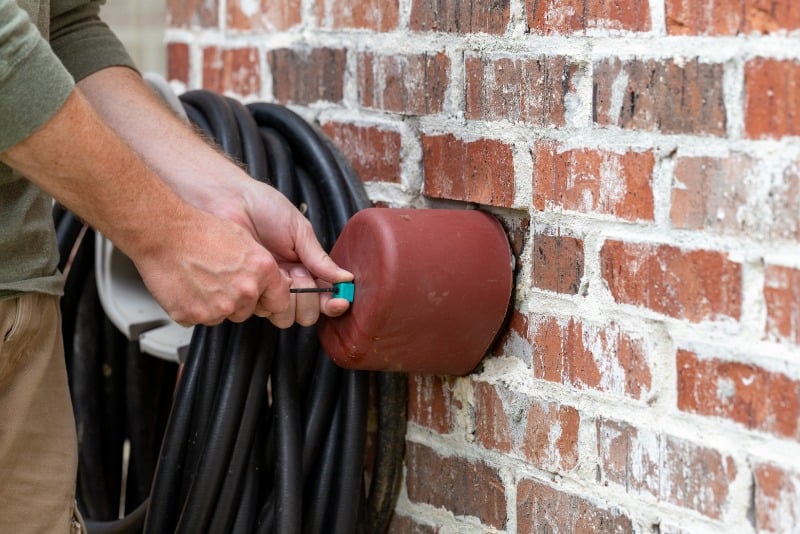
Disconnect garden hoses, drain them completely, and store them somewhere protected from freezing. Shut off interior supply valves for outdoor faucets when available, then open the exterior taps to drain remaining water.
Prepare Your Lawn and Garden for Their Winter Vacation
Your garden might be winding down, but there’s still work to do before everything settles into dormancy. A few thoughtful preparations now can make spring gardening considerably easier.
Give Your Lawn One Last Look
Remove thick layers of fallen leaves that could smother grass or encourage disease. Continue mowing while your lawn is actively growing, gradually adjusting to a suitable final cutting height for your grass variety.
Avoid cutting grass excessively short, which can leave it vulnerable to winter stress. You can also use a mulching mower to shred modest amounts of leaves, returning useful organic matter to the soil.
Protect Perennials and Container Plants
Spread mulch around vulnerable perennials after the soil begins cooling, keeping it away from plant crowns. This helps moderate soil temperature fluctuations during repeated freezing and thawing.
Container gardens deserve special attention because exposed roots freeze more readily than those growing underground. Move hardy potted plants to sheltered locations, insulate containers when appropriate, and bring frost-sensitive plants indoors. Your favorite patio greenery will appreciate the extra effort.
Inspect Walkways, Driveways, and Outdoor Steps
That slightly uneven paving stone might be easy to ignore in summer, but add a little ice, and suddenly it’s an obstacle course. Winter conditions can make existing cracks and uneven surfaces more hazardous.
Inspect walking areas for loose materials, damaged steps, and drainage problems. Repair minor issues before freezing weather arrives, and keep a supply of surface-appropriate ice melt or traction sand available. If you use deicing products, choose options compatible with your paving materials and nearby plants.
Store Outdoor Furniture and Equipment
Your patio furniture deserves a winter break, even if you don’t get one. Leaving cushions, gardening tools, and outdoor accessories exposed to freezing moisture can shorten their useful lives.
Clean furniture before covering it with breathable, weather-resistant materials, or move it into protected storage. Empty and clean planters that might crack when trapped water freezes. Store lawn equipment according to manufacturer recommendations, paying particular attention to fuel and battery care.
Check Exterior Lighting Before Days Get Shorter
Winter’s shorter days mean you’ll probably spend more time navigating your property in the dark. Proper exterior lighting helps illuminate icy steps and makes nighttime arrivals less stressful.
Replace burned-out bulbs, clean dirty fixtures, and check motion sensors for reliable operation. Consider energy-efficient LED lighting for frequently used entrances. Solar pathway lights can be useful, although their performance may decline during cloudy winter weather.
Make Winter Maintenance a Little Easier
Preparing your home’s exterior for winter doesn’t have to become another overwhelming seasonal chore. Break these projects into manageable weekend tasks, starting with anything that could cause water damage or create safety hazards. Better to deal with it now than before disaster strikes!
A few hours of preparation can help prevent expensive repairs and protect the outdoor spaces you’ve worked hard to maintain. Once everything’s ready, you can settle inside with something warm, admire your handiwork, and let winter do its thing. Preferably from the comfort of your couch.